Grass-fed beef vs. organic beef? Pasture-rased vs. grain-fed beef? Beef labels are full of terms that are unique to the beef industry. This brief guide will navigate you through beef label terms so that you know the main differences and can purchase the type of beef you want and make healthy choices for your family.
Organic. Pasture raised. Grass fed. Grass finished. Conventional Beef. Certified. Prime. Beef labels are full of terms that are unique to the beef industry and the types of beef farmers raise. Some of these terms refer to the grade of beef and others refer to how the animals spent their lives. It’s important to know what these terms mean so that you buy the type of meat that you really want.
Other than the name of the beef cut, the three most common things you see on beef labels are
- Beef grades (prime, choice, select, etc)
- Regulated terms about how the animals spent their lives (grass-fed cattle, organic meat, hormones, pasture raised, etc)
- Lean point ratio on ground beef (90/10, 80/20)
This guide will cover those three common areas on a beef label. As we do, please remember that beef labels have changed over the years. The USDA’s definition of the terms and what consumers think the terms mean sometimes differs (more on that later).
Who Decides How Beef is Labeled?
The U.S. Department of Agriculture (USDA) has a Food Safety and Inspection Services (FSIS) branch, which is the Agency in the USDA with the responsibility for ensuring that the the labeling of meat is truthful and misleading. They work with the USDA’s Agriculture Marketing Service (AMS) – an agency within the USDA – to oversee the Process Verified Program. Their programs include voluntary meat quality grades (prime, choice, select, etc), and regulations for terms on how the animals were raised (grass fed, hormone free, etc).
Typically, only large beef packers pay for these programs and have these labels because they’re very expensive to participate in. This means you often won’t find terms like prime, choice, grass fed, organic, and pasture raised on beef labels you purchase from a small farm because the certification to add those words to the label comes out of the farmer’s pocket and is very expensive.
Beef Grades on Beef Labels
The USDA Grades beef to signify that it’s high-quality beef that is safe to eat. The beef grades also tell you the amount of tenderness and amount of marbling to expect in the beef.
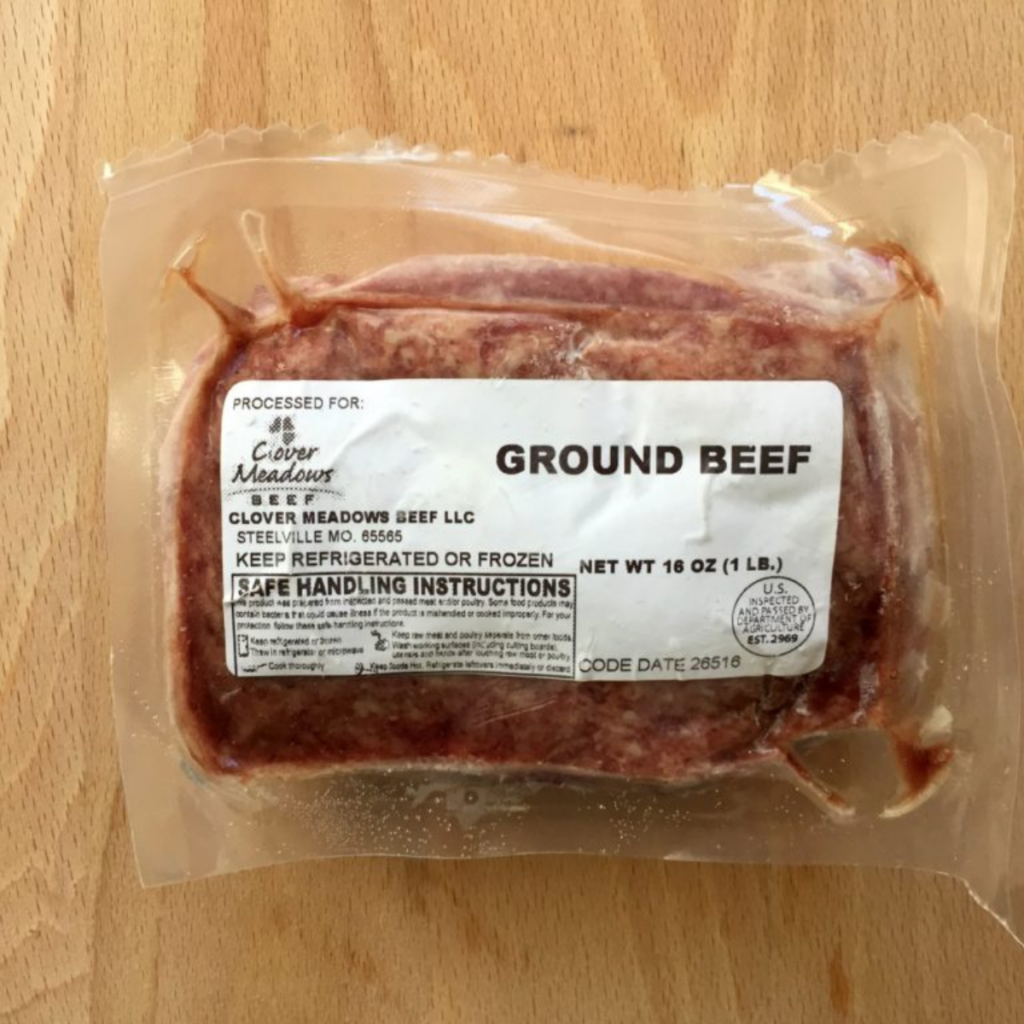
ALL beef in the United States is inspected for consumption. However, beef grading is voluntary and paid for by beef packers. It’s very expensive to put beef grades and other regulated terms on beef packages, which is why many small farms don’t have beef grades on their packaging when selling beef directly from the farms.
On our farm, Clover Meadows Beef, we don’t grade our beef regularly because it’s cost prohibitive. However, historically, our farm has competed in quality grade competitions and we’ve consistently been graded very high. Our farm’s grass fed beef has been graded choice to prime, and our grain-fed cattle have been graded as high as prime.
There are eight grades of beef. The beef quality grades in order from best to worst are USDA Prime, USDA Choice, USDA Select, USDA Standard, USDA Commercial, USDA Utility, USDA Cutter and USDA Canner.
When buying beef at a steakhouse, you usually only hear about three of these USDA beef grades: Prime, Choice and Select.
Prime Graded Beef
Prime beef comes from well-fed beef cattle and it has abundant marbling (i.e. fat within the beef). Grain-fed cows have more marbling than grass-finished beef. You usually find Prime Beef at restaurants and hotels. It’s known for being full of flavor, and very tender and juicy. Only about 2 percent of today’s beef is of the highest USDA grade, or prime, which, has the highest level of marbling.
Choice Graded Beef
Choice beef is very high quality, but has slightly less marbling than Prime. It is very tender and juicy, and the most widely available grade of beef. The USDA grades about 50 percent of beef as choice.
Select Graded Beef
Select Beef is typically leaner than the higher grades. It has less marbling, and also lacks some of the juiciness and flavor. The USDA grades about 21 percent of beef with the select grade. When cooking, it’s generally best to marinate before cooking in order to get the maximum tenderness and flavor.
Store branded meat is often Standard and Commercial graded beef. The final three grades of beef – Utility, Cutter and Canner – are rarely sold at retail and are used to make ground beef and processed products.
Common Terms on Beef Labels
The USDA started grading beef in 1927. However, some factors consumers now consider important do not go into the grade. These factors include the animal’s diet (grass-fed meat vs. grain finished), the cut, and how the animal has been raised (pasture raised vs. feedlot).
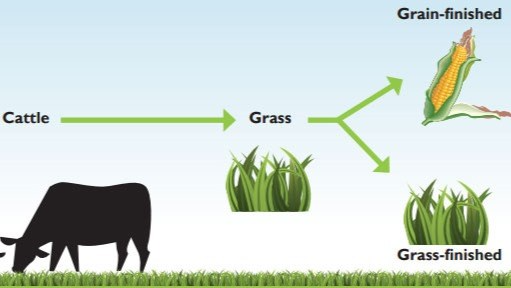
Since all cattle spend the beginning of their lives eating grass in the pasture, what sets cattle apart is how they’re “finished”, or what they eat at the end of their lives. Often times, beef labels or marketing claims try to focus on the finishing process.
Grass Fed
It’s becoming increasingly common to hear and see the term “grass fed” on beef labels. This term is hard to monitor because even cows in feedlots have had access to grass at some point in their life, so technically, all cows could be labeled as grass-fed cows.
It’s very important to know that the definition of the term “grass fed” has undergone big changes.
In 2016, the USDA’s Agricultural Marketing Service announced in a statement that it was dropping its official definition of “grass fed” because it doesn’t have the authority to define and determine whether grass fed claims are truthful and misleading.
Then, in 2019, the USDA’s FSIS issued new guidance for grass fed beef labels and said beef could be labeled as grass fed if it received grass for 100% of its life, from weaning to harvest. In addition, cattle must have access to pasture and cannot be confined. However, the beef producers can still use a partial “grass fed” label if the consumer is informed about the proportion of the diet coming from grain. For example, the label could say “Made from cattle that are fed 90% grass and 10% corn”
At Clover Meadows Beef, our grass fed beef live in a 100% pasture-based environment and they eat a grass diet.https://www.youtube.com/watch?v=pSK8kBU5czk&t=1s
Grass Finished Beef
Grass-finished cattle spend their entire life grazing and eating from pastures, but they may also eat forage, hay or silage, according to USDA guidelines. Grass fed meat may or may not be given FDA-approved antibiotics to treat, prevent or control disease and/or growth-promoting hormones.
We’re often asked about the health benefits of grass finished beef, and we’ve written about it in great detail here. In short, you have to be careful of what you find from popular websites that are only interested in clicks.
That said, studies have shown that nutritionally, grass finished beef has some great health benefits like more vitamin E, beta-carotene, vitamin C antioxidants, omega-6 and omega-3 fatty acids compared to grain fed beef. They also produce meat that’s higher in CLA (conjugated linoleic acid), a fat that’s been studied for possible heart benefits, improving immunity and anti-inflammation benefits. But, the interesting thing with CLA is typically found in the fat marbling that people trim off their beef.
Grain Finished
Cattle that are grain-finished are sometimes refered to as grain-fed, conventional beef or conventional meat. Like grass fed beef, grain finished beef spends the majority of its life grazing and eating from pastures. During the last 4-6 months of their lives, they have access to grain. How farmers give the cattle grain varies by farm.
At Clover Meadows Beef, all of our grain-fed animals are raised in a 100% pasture environment, and they have the option of eating either grain or grass. Once a day, we take a bag of grain supplement to them and place it in a trough where they have the option of eating grass or the grain supplement. Animal welfare is always top of mind for us, so the grain supplement we choose is based up on cattle’s nutritional needs and the recommendation of our veterinarian and nutritionist.
On some farms, grain-finished cattle go to feedlots for the last 4-6 months of their lives. In the feedlot, they’re given a balanced, healthy diet of grains, and local feed ingredients like potato hulls and sugar beets. https://www.youtube.com/watch?v=t_yHNLK2Oms&t=1s
Natural
If you see the term natural on a beef label, it’s important to know it’s basically meaningless in the food industry. The USDA doesn’t monitor this term either. Any product may be labeled natural if it is minimally processed and free of artificial colors, flavors, and preservatives. Minimal processing includes smoking, roasting, freezing, drying, and fermenting.
On our farm, Clover Meadows Beef, we define natural meat as:
- Free from antibiotic residue
- Fed a balanced diet, without the addition of animal fat or animal by-products
- Raised in a pasture environment that’s comfortable and stress-free
- Handled humanely at all times
- Grown using environmentally sound, sustainable farming methods
Organic Beef
The USDA does define “organic” and this term refers to very specific standards when you see organic products. The USDA’s AMS regulates the term “organic”. In order to receive organic certification, farmers and organic producers must meet certain organic standards. This includes submitting documentation to the National Organic Program, and a government agent visits the farm once a year.
Organic meats come from naturally raised animals that are fed a diet that consists of 100% certified organic grain (corn and soybeans) grown on soil that has been free of artificial pesticides, herbicides, and chemical fertilizers for at least three years. Organic beef may or may not be grain-finished.
At Clover Meadows Beef, we raise our cattle to many organic food standards, but we aren’t certified for that label.
Pasture Raised
Pasture-Raised cattle spend their lives in the pasture, not confinement. At our farm, we only have pasture-raised beef.
Hormones
A hormone is a natural or synthetic product that affects cell activity. You’ll often see products in the grocery store labeled “no added growth hormones.” We do not use any added growth hormones at Clover Meadows Beef.
Sustainable Farming
Farming that’s is good for the environment and good for the community is Sustainable Farming. It looks long term and uses practices that won’t compromise the future of the land or animals. Sustainable farming focuses on things like soil health, using natural resources responsibly, and monitoring and evaluating every activity so that farming practices are constantly improving.
Lean Point Ratio on Beef Labels
The ratio on most ground beef is the lean point ratio. This ratio identifies the lean-to-fat ratio by stating the percentage lean and fat found in the package, for example 80/20, 85/15 and 90/10.
The top number of the ratio indicates the leanness and the bottom number is the fat. For example, beef with a label that says 85/15 is 85% lean beef and 15% fat in the package.
- 80-89% Lean Ground Beef: This is a mid-range ratio with great flavor. It has a slightly firmer texture than beef with 73-80% leanness. It’s best in meatballs, leaner burgers, meatloaf, pizza toppings and chili.
- 90-92% Lean Ground Beef: This type of ground beef is ideal when you want to make your favorite recipes slightly leaner, such as lasagna, enchiladas, casseroles, chili, tacos and sloppy joes.
Join us!
Do you want more easy beef recipes? Sign-up for beef recipes to your inbox.
More Beef Recipes to Try:
- One Pan BBQ Beef Short Ribs
- Easy Carne Asada Street Tacos
- Dry Rub with Brown Sugar Steak Seasoning
- Easy Blue Cheese Butter Compound for Steak
- Broiled Lemon Pepper Flank Steak
- Easy Garlic Butter Steak Bites
- Meat Inspection: The Edible Stamp of Approval
- 7 Steps to Grilling a Steak to Perfection
- How We Raise Our Grass Fed Beef
- Easy Beef Brisket Recipe (oven-roasted)
- The Best Farm Books for Kids
(Originally published in 2022. Updated in 2025)
Disclosure: This post contains affiliate links. This means if you click on the link and purchase the item, we will receive an affiliate commission at no extra cost to you. All opinions are our own and we only recommend products that we truly believe in.
We participate in the Amazon Services LLC Associates Program, an affiliate advertising program designed to provide a means for us to earn fees by linking to Amazon.com and affiliated sites. See our disclosure policy for more details.


[…] from and to know the farmer’s definition of these terms before you buy. Here’s how we define those […]